Birdwatching in Wayanad: Discover the Birds of the Western Ghats
August 27, 2026
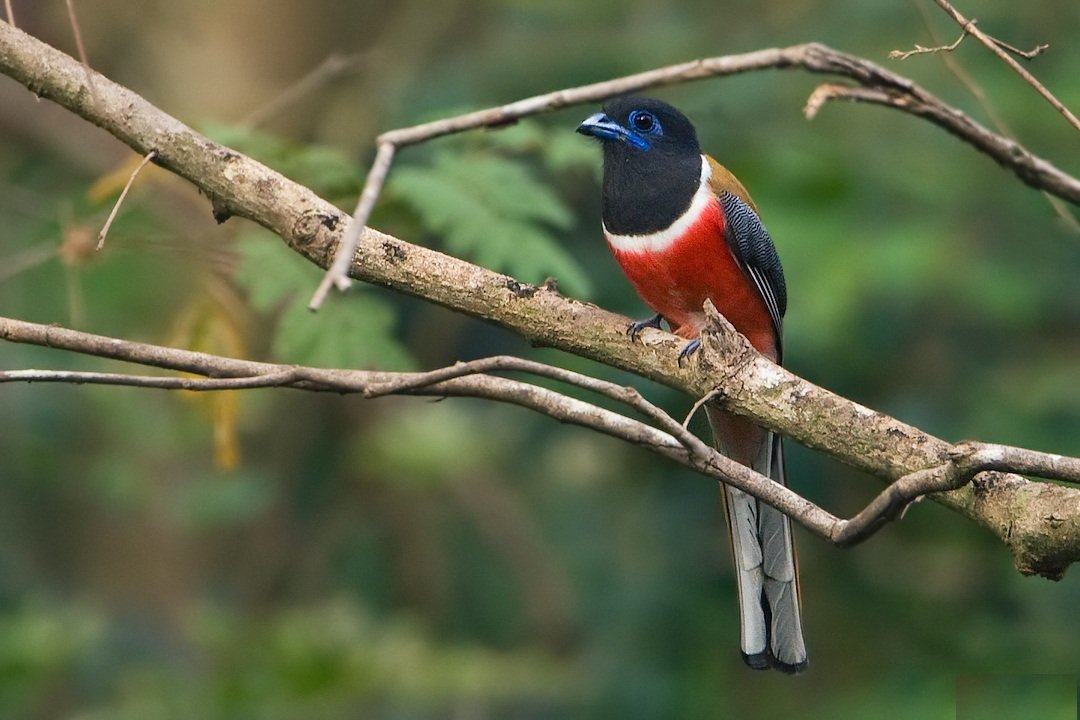
Wayanad mornings have their own soundtrack.
Before the roads get busy and the day properly begins, the forests are already awake. There is a call from somewhere in the canopy, another from across the valley, and the occasional flutter of wings between the trees.
You don't necessarily need a professional camera or a detailed bird checklist to enjoy it. Sometimes, all you need is a quiet place, a little patience, and the willingness to stop and listen.
With its forests, plantations, streams and misty hills, Wayanad offers plenty of opportunities for birdwatching. And because the region forms part of the Western Ghats, the birds you encounter can be just as interesting as the landscape itself.
Why Wayanad Is a Great Place for Birdwatching
The Western Ghats is one of India's most important biodiversity regions, and Wayanad sits within this larger landscape.
Dense forest canopy, fruit-bearing trees, streams, wetlands, plantations and open areas create different habitats for birds. This variety means that birdwatching does not always require going deep into a forest. A garden, plantation trail or quiet balcony can sometimes be enough.
The experience also changes with the season. Monsoon brings a different atmosphere to the forest, while clearer months can make it easier to spot birds moving through the canopy.
Birds You Can Spot in Wayanad
The birdlife around Wayanad includes colourful forest birds, birds of prey, flycatchers, sunbirds, owls and many smaller canopy species.
Some birds that nature lovers may come across include:
• Malabar Trogon
• Nilgiri Flycatcher
• White-Cheeked Barbet
• Black Eagle
• Brahminy Kite
• Malabar Whistling-Thrush
• Asian Fairy Bluebird
• Purple-Rumped Sunbird
• Velvet-Fronted Nuthatch
• Grey-Headed Canary Flycatcher
• Bronzed Drongo
• Golden-Fronted Leafbird
• Brown Fish Owl
• Black-Hooded Oriole
• Indian Scimitar Babbler
• Jungle Nightjar
• White-Bellied Blue Flycatcher
• Square-Tailed Bulbul
• Greenish Warbler
• Crimson-Backed Sunbird
Of course, there is never a guarantee that you will see a particular species. That uncertainty is part of birdwatching. Every walk can be different.
The Malabar Trogon and Other Western Ghats Birds
For many birdwatchers, finding a Malabar Trogon is one of the highlights of exploring the forests of the Western Ghats.
Its striking colours make it easier to recognise once you know what to look for, although it can still disappear quickly into the dense canopy.
Other forest birds, such as the Nilgiri Flycatcher, White-Bellied Blue Flycatcher and Malabar Whistling-Thrush, add to the experience.
These birds are part of what makes birdwatching in the Western Ghats different from simply watching birds in an urban garden.
The Best Time for Birdwatching in Wayanad
Early morning is usually the most rewarding time to go birdwatching.
The forest is cooler, the light is softer and birds are active as they begin feeding and moving through their habitats. It is also one of the quietest times of the day, making it easier to hear calls.
You don't have to rush. Find a comfortable spot, stay still for a few minutes and listen.
Sometimes the bird you are looking for will appear only after you stop searching.
Birdwatching at Jungle Park Resort
For travellers who want to combine a forest stay with nature observation, Jungle Park Resort offers a particularly immersive setting.
Located amid extensive greenery in Wayanad, Jungle Park Resort provides a forest environment where guests can experience nature as part of their stay.
The surroundings make it possible to experience birdlife as part of the stay rather than as a separate activity. A morning walk, time spent outdoors or simply sitting quietly can turn into an unexpected birdwatching session.
For photographers, the forest canopy and changing morning light also provide opportunities to observe birds in their natural surroundings.
What Makes Jungle Park Interesting for Birdwatchers?
• Forest setting
The property is surrounded by natural greenery, giving guests a chance to experience the forest closely.
• Birdwatching and nature activities
The natural surroundings provide opportunities to observe birdlife and explore the forest at a slower pace.
• Plenty to observe beyond birds
The surrounding forest also offers opportunities to notice other wildlife, insects and smaller creatures.
Tusker Inn Forest Lodge: A Quiet Base for Nature Lovers
Further into Wayanad, Tusker Inn Forest Lodge in Pulpally offers a different kind of forest stay.
The peaceful surroundings make it suitable for travellers who prefer quiet spaces and a closer connection with nature.
For birdwatchers, the idea is simple: wake up early, step outside, listen and see what the surroundings reveal.
You may not know which bird will appear next, and that is exactly what makes the experience enjoyable.
Bird Photography in Wayanad
Wayanad is also a rewarding destination for anyone interested in bird photography.
The forest provides natural backgrounds, soft morning light and plenty of movement. A bird perched on a branch, a sunbird feeding among flowers or a drongo flying across an open patch can all make interesting photographs.
You don't need expensive equipment to start. Even a phone camera can help you begin identifying and documenting the birds you encounter.
The most important thing is to photograph without disturbing the bird.
Listen Before You Look
One of the easiest ways to improve your birdwatching is to stop relying only on your eyes.
Many birds remain hidden behind leaves even when they are only a few metres away. Their calls can tell you that something is nearby long before you see it.
Once you begin recognising common calls, birdwatching becomes much more interesting. You start noticing how different sounds come from different parts of the forest.
It turns a simple walk into an exercise in observation.
Responsible Birdwatching
Birdwatching is most enjoyable when the birds are left undisturbed.
Avoid chasing birds, getting too close to nests, making loud noises or repeatedly playing recorded calls to attract them. Give birds enough space to continue feeding, resting and moving naturally.
The goal is not to get the closest photograph possible. It is to experience the bird without becoming part of its disturbance.
Why Choose GreenEscapes for a Nature Stay?
GreenEscapes brings together stays and experiences that allow travellers to experience different sides of Wayanad.
For a deeper forest experience, Jungle Park Resort offers a stay surrounded by greenery and nature-focused experiences. Tusker Inn Forest Lodge provides another quiet base in the Pulpally area for travellers who prefer a more private forest stay.
Both offer a different way to slow down and experience Wayanad beyond the usual sightseeing route.
Conclusion
Birdwatching changes the way you experience Wayanad.
Instead of simply looking at the hills and forests, you begin noticing what is moving through them. A call from a hidden bird, a flash of blue between branches or the sudden appearance of a Malabar Trogon can make an ordinary morning memorable.
With the Western Ghats as its backdrop, Wayanad offers plenty for both experienced birdwatchers and complete beginners.
Whether you choose the deeper forest setting of Jungle Park Resort or the quieter surroundings of Tusker Inn Forest Lodge, GreenEscapes gives you a chance to experience Wayanad at a slower pace — one bird call at a time.
🌿 Book your stay with GreenEscapes
📩 Email: reservations@greenescapes.in
FAQs
Which birds can you see in Wayanad?
Wayanad has a wide variety of birds, including Malabar Trogon, Nilgiri Flycatcher, White-Cheeked Barbet, Malabar Whistling-Thrush, Asian Fairy Bluebird, Black Eagle and several species of sunbirds, drongos and owls.
What is the best time for birdwatching in Wayanad?
Early mornings are generally the best time because birds are active, temperatures are cooler and the forest is quieter.
Is Wayanad good for bird photography?
Yes. The forest canopy, natural vegetation, misty mornings and diverse birdlife make Wayanad a rewarding destination for bird photography.
Can beginners go birdwatching in Wayanad?
Absolutely. You do not need specialist equipment or previous experience. Starting with common birds and learning their calls is a good way to begin.
Which GreenEscapes property is good for birdwatching?
Jungle Park Resort is particularly suited to travellers looking for a forest-based stay with nature experiences. Tusker Inn Forest Lodge is another option for travellers looking for a quieter stay in the Pulpally area.
Do I need a professional camera for birdwatching?
No. Birdwatching itself does not require a camera. A pair of binoculars can be more useful for observation, while a phone or camera can be used when you want to document your sightings.
-

April 26, 2024
-

May 18, 2024
-
June 30, 2024
-
July 10, 2024
Love To Live